How-To / the-20-20-20-rule-to-protect-your-eyes-from-screens
The 20-20-20 Rule and Other Science-Backed Ways to Protect Your Eyes From Screens
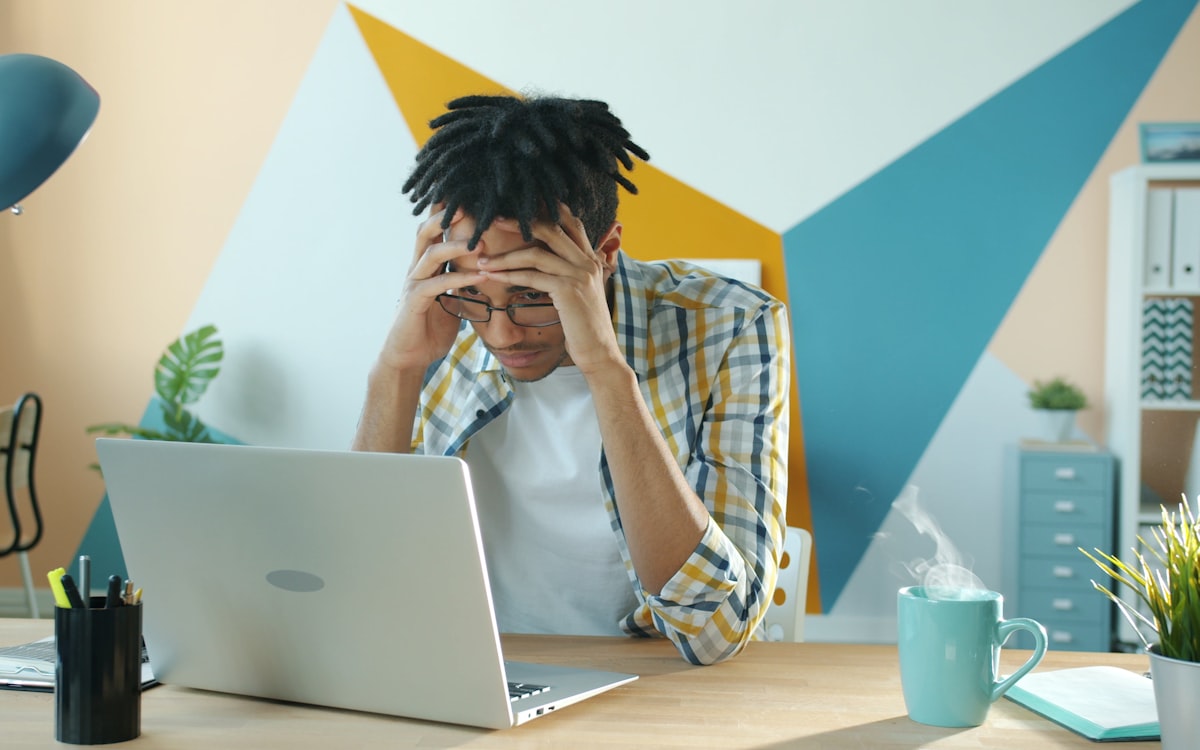
I ignored eye strain for years. The headaches that started around 3 PM? Normal, I assumed. The dry, scratchy feeling by evening? Tired eyes. The blurriness when I looked out the window after a long session? Probably nothing.
Then an optometrist told me my eyesight had measurably deteriorated in two years and asked how much time I spent on screens.
Key Takeaways
- The 20-20-20 rule has less evidence behind it than its popularity suggests, and the specific numbers are essentially arbitrary.
- The one study that's actually tested it found dry eye and strain symptoms improved while reminders were running, but that improvement wasn't maintained a week after they stopped, and no objective measure — including tear film — changed at all.
- Blink rate drops from roughly 15-20 per minute to 3-4 while staring at a screen, which is the mechanism most people ignore.
- The changes with the least glamour, screen position, lighting, and glare, are the ones I'd prioritize.
What Digital Eye Strain Actually Is
Computer vision syndrome, or digital eye strain, is a recognized cluster of symptoms: headaches, blurred vision, dry eyes, neck and shoulder pain, trouble refocusing on distant objects.
A 2023 systematic review and meta-analysis in the Journal of Optometry, pooling 103 studies and over 66,000 participants, put overall prevalence at about 69% (95% CI: 62–75%) — though individual studies ranged from 12% to 97%. That spread is wide because the condition is defined by self-reported symptoms rather than a clinical test, which is worth knowing before you read any confident statistic about it.
In most cases it isn't permanent damage. It's uncomfortable, it accumulates, and it's largely preventable.
The 20-20-20 Rule, Honestly
Every 20 minutes, look at something 20 feet away for at least 20 seconds.
The reasoning: your ciliary muscles, which focus your lenses, stay contracted while you look at something close. Distance viewing lets them relax.
Here's what most articles won't tell you. The evidence for this specific rule is thinner than its ubiquity implies, and the three numbers were never derived from research. They're memorable, not measured.
What the studies show:
- A study testing the rule with automated reminders, in 29 symptomatic screen users, found dry eye and strain symptoms improved while reminders ran, but that improvement was not maintained a week after the reminders stopped — it was no longer statistically significant. No significant change turned up in any objective dry eye sign measured either, including tear film, blink rate, or corneal staining.
So: breaks probably help how your eyes feel while you're actively taking them, the benefit doesn't persist once you stop, and the objective picture — what's actually happening to the eye, rather than how it feels — didn't move at all in the one study that measured it.
I still use it. My afternoon headaches did disappear within a week of setting a timer. But I'd frame it as a free, harmless habit with modest supporting evidence rather than a clinically established protocol, and if the exact intervals slip, nothing is lost.
Blink Deliberately
This sounds absurd and it's the most mechanically sound item here.
Normal blink rate is about 15 to 20 times a minute. Staring at a screen drops it to 3 or 4. Your tear film evaporates, and you get irritation and blurriness.
I put a sticky note on my monitor that says BLINK. It works, and it costs nothing.
Complete blinks matter more than frequency alone. A partial blink that doesn't fully close leaves part of the surface undernourished, which is why deliberate blinking beats simply blinking more.
Fix Your Setup First
If I were redoing this, I'd start here rather than with the 20-20-20 rule. These are one-time changes rather than habits you have to sustain.
Screen position
Top of the monitor at or slightly below eye level, roughly an arm's length away. Looking slightly downward reduces the exposed surface of your eye, so less moisture evaporates. On a laptop, add a stand and an external keyboard.
Glare
Position your screen perpendicular to windows, not facing them and not with them behind you. If that's impossible, use an anti-glare protector. Glare makes your eyes work harder for the same content.
Lighting
Your room should be roughly as bright as your screen. A glowing rectangle in a dark room forces your pupils to keep adjusting between two very different light levels, and that adjustment is what exhausts them.
Warm tones in the evening
Both iOS and Android have built-in settings. Warmer tones are easier on the eyes at night independently of the sleep question, where the evidence on blue light is more mixed than commonly claimed.
Take Real Breaks
Not phone breaks. Switching from a large screen to a small one at closer range is worse, not better.
Stand up, walk to a window, and look at the farthest thing you can see. Trees, buildings, clouds.
Computer Glasses
Even if you don't otherwise wear glasses, lenses calibrated for screen distance can reduce strain. They differ from reading glasses, being set for the 20 to 28 inch range where most monitors sit.
Mine made a noticeable difference in the afternoon. Ask an optometrist rather than buying online, since the benefit depends on your actual working distance and prescription.
Where This Leaves You
Individually small, collectively significant. My headaches are gone, my eyes feel better at the end of the day, and my distance vision has stabilized. None of it required reducing my screen time at work, only using screens more carefully.
Start with the setup changes, since they're permanent and require no discipline. Then add the timer. Your eyes are the only pair you get.
sources for this page
- Computer Vision SyndromeAmerican Optometric Association · Defines the syndrome; states no prevalence figure. The prevalence estimate below comes from a separate meta-analysis.
- Prevalence of computer vision syndrome: A systematic review and meta-analysisJournal of Optometry · 2023 · 103 studies, n=66,577 · Pooled prevalence was 69.0% (95% CI: 62.3–75.3%), ranging from 12.1% to 97.3% across individual studies — high heterogeneity, consistent with a condition defined by self-reported symptoms rather than a clinical test.
- The effects of breaks on digital eye strain, dry eye and binocular vision: Testing the 20-20-20 ruleContact Lens and Anterior Eye · 2022 · n=29 symptomatic computer users · Symptom improvement was not maintained a week after stopping the reminders (no longer statistically significant); no significant change found in any objective dry eye or tear film measure, including blink rate and corneal staining.