Experiment / i-deleted-instagram-and-nothing-bad-happened
I Deleted Instagram and Nothing Bad Happened
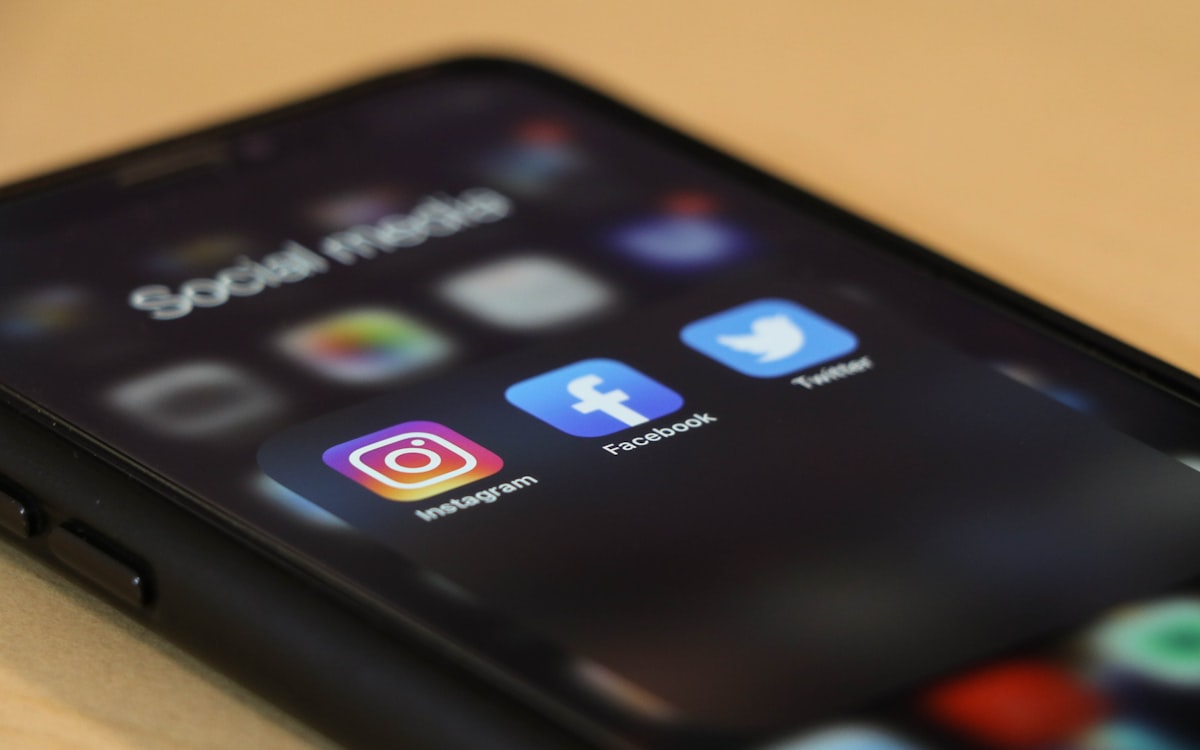
Let me be clear about something: I was addicted to Instagram. Not the casual "I check it too much" version. The first thing in the morning, last thing at night, during every meal, at red lights version.
My Screen Time report said I averaged 2 hours and 14 minutes a day on Instagram alone. That's almost 34 full days a year.
Key Takeaways
- 60 days without Instagram returned roughly 120 hours, about five full days.
- The urge faded on its own around week three. It wasn't willpower, the habit loop just decayed.
- The three things I expected to miss most, friends' updates, memes, and posting, I barely missed at all.
- The mental health change showed up by week two and was about comparison, not time.
- A randomized trial found a one-week break improved well-being, depression, and anxiety scores, so this isn't only a personal quirk.
The Moment I Deleted It
I didn't have a grand plan for digital minimalism.
I was standing in line at a grocery store, saw a beautiful sunset through the window, and my first thought wasn't "that's beautiful." It was "I should post this."
That thought bothered me enough that I deleted the app before I left the store.
The Timeline
Days one to three: bad
I reached for my phone roughly every six minutes during any idle moment. My thumb kept swiping to where the icon used to be. I caught myself opening the browser and typing "inst" before stopping.
This is the stage where most attempts end, so it's worth knowing it's the worst part and it's short.
Days four to ten: boredom
Really deep boredom, the kind I hadn't felt since childhood.
Here's what nobody mentions about boredom: it's uncomfortable for about twenty minutes and then it turns into something else. I reorganized my kitchen. I called my mom for an actual conversation. I wrote in a journal for the first time in years.
Deprived of an easy source of stimulation, my brain went looking for it in the physical world.
Week three: the urge stopped
Not through discipline. It faded, the way sugar cravings fade a few weeks into changing how you eat. The loop had simply lost its reinforcement.
The Things I Was Wrong About
I thought I'd miss knowing what my friends were up to. I didn't. Instagram friends aren't really friends, they're an audience. The people who actually matter, I text. The rest were acquaintances whose highlight reels I was consuming for no particular reason.
I thought I'd miss the memes and funny content. I do, occasionally. Group chats and YouTube cover most of it with far less mindless scrolling attached.
I thought I'd miss posting. This was the biggest surprise. Not at all. It turns out experiencing a good meal or a good view is better when you aren't thinking about angles, filters, and captions. I just eat the food. I just look at the sunset. You're noticeably more present when you're not performing your life for an audience.
What I Got Back
About two hours a day. Fourteen hours a week. Over 60 days, roughly 120 hours, or five entire days.
In that time I read six books, started running again, cooked more dinners from scratch, and had more face-to-face conversations than in the previous six months combined.
I want to be careful with the arithmetic, though, because "you'll get two hours back" is the kind of promise that sets people up to feel like they failed. Deleting an app doesn't automatically convert to reclaimed time. Some of mine leaked straight into other apps for the first week. The gain only became real once I had specific things to put in the space, which is the same lesson in weekend habits that reduce screen time.
The Mental Health Part
This improved noticeably by week two.
I stopped comparing myself to people. I stopped feeling inadequate about my apartment, my body, my career, my vacations. When you stop consuming a curated stream of other people's best moments, your own ordinary life stops looking like a shortfall.
That's one person's report, so here's the controlled version. A randomized controlled trial of 154 adults found that a single week off social media produced significant improvements in well-being, depression, and anxiety compared with a control group. An earlier study found that limiting undergraduates to ten minutes per platform per day for three weeks reduced depression and loneliness.
Neither study followed people long enough to say whether it lasts. More on the comparison mechanism specifically in the comparison trap.
Day 60
I haven't reinstalled it and don't plan to.
Sometimes people ask if I've seen something on Instagram and I say I deleted it. The reaction lands somewhere between admiration and alarm, as though I'd moved off the grid. It's an app. It was an app taking two hours a day, and now it isn't.
If deleting outright feels like too much, deleting only the app while keeping the account is a real middle path. Browser-only access preserves everything you'd genuinely miss and removes almost all the compulsive use, because the friction does the work.
The FOMO was a lie. Nothing happened without me. The real friendships got stronger. The only thing I lost was the illusion that scrolling through other people's lives was a substitute for living my own.
sources for this page
- Taking a One-Week Break from Social Media Improves Well-Being, Depression, and Anxiety: A Randomized Controlled TrialCyberpsychology, Behavior, and Social Networking · 2022 · n=154, average age 29.6 · short follow-up, and participants knew which group they were in, which matters for self-reported mood
- No More FOMO: Limiting Social Media Decreases Loneliness and DepressionJournal of Social and Clinical Psychology · 2018 · short study; doesn't show whether the effect lasts past a few weeks