Experiment / digital-detox-retreat-review
Digital Detox Retreats: I Spent $2,000 to Not Use My Phone for a Weekend
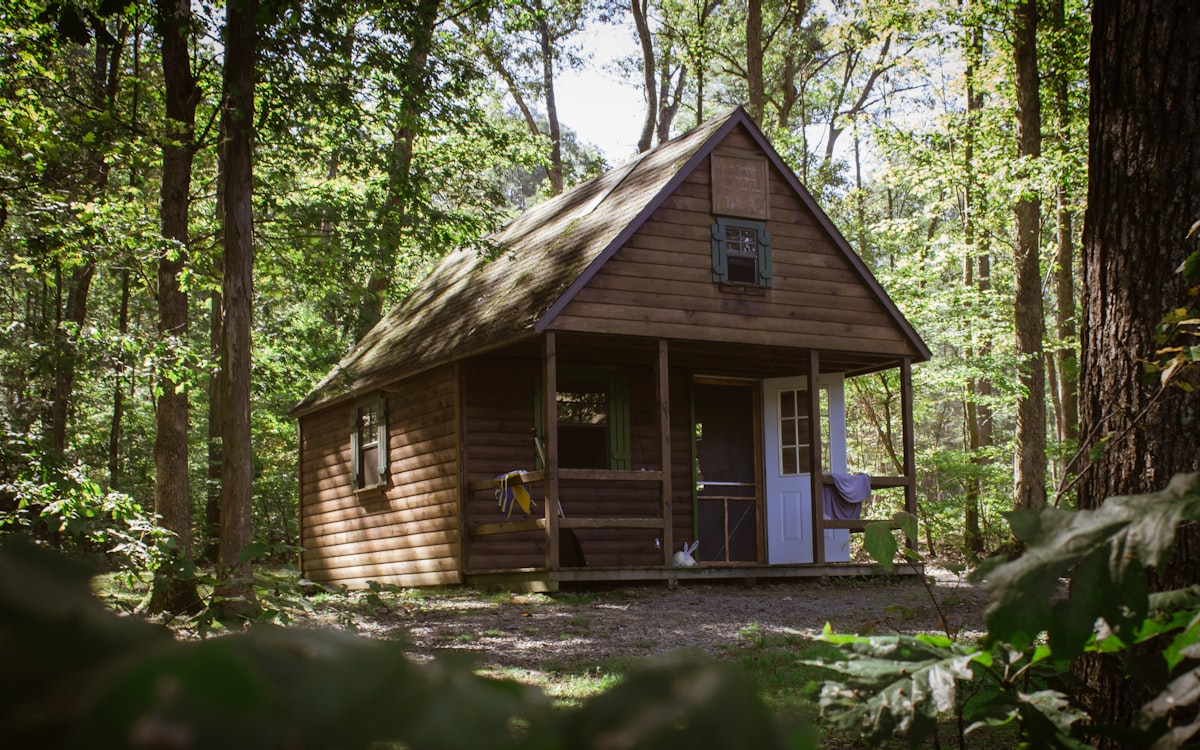
The brochure promised "a transformative experience of digital freedom." The price was $2,100 for three days. The location was a renovated farmhouse two hours outside Portland, surrounded by forest, with deliberately no cell service.
I went partly out of curiosity and partly because paying $700 a day to not look at a screen felt like something worth writing about.
Key Takeaways
- Roughly 80% of what the retreat delivered can be replicated at home for nothing.
- The remaining 20%, enforced separation and group vulnerability, is genuinely hard to reproduce alone and is what you're actually paying for.
- Having someone physically lock your phone away is a different experience from putting it in a drawer.
- The most valuable session was other people being honest, which no solo detox provides.
- My verdict: worth it for me, not worth recommending at this price to most people.
What You Get for $2,100
Fifteen participants, ages 22 to 67. A startup founder, a teacher, a surgeon, two therapists, a retired marketing executive.
All phones collected at check-in and locked in a safe. Two people visibly tensed handing theirs over. I was one of them.
The itinerary was three days of guided sessions, meditation, nature walks, group discussion, shared meals, and a great deal of unstructured time in a place where checking anything was physically impossible.
Friday: Awkward in a Way Modern Life Isn't
Without phones, people had to talk during downtime.
There were long silences. Nobody knew what to do with their hands. Three of us kept reaching for phantom phones.
That first evening is worth describing accurately because it's the part the brochure doesn't cover. Removing phones from a group of strangers doesn't produce instant connection. It produces a few hours of visible discomfort while everyone relearns how to occupy a room.
Saturday: The Beetle
The morning opened with a guided meditation I was skeptical about, then a "nature immersion" walk, essentially a very slow hike where you're meant to notice things. I rolled my eyes internally.
Then I noticed a beetle climbing a piece of bark, iridescent green shell, and stood watching it for five minutes.
I couldn't remember the last time I'd watched anything, truly watched it, without simultaneously scrolling. That's a small moment and it's the honest center of the whole weekend.
The afternoon sessions were better than I expected
A psychologist walked us through the research on phone habits, with appropriate hedging about what's actually established.
Then it got unusual. The startup founder broke down talking about checking email 200 times a day and not having eaten a meal with his kids without his phone in three years. The retired marketing executive talked about having helped design attention-capture techniques now affecting her own granddaughter's concentration.
The honesty in the room was startling, and it's the thing I'd point to as genuinely worth money. You can take your own phone away. You cannot manufacture fourteen strangers being that candid.
Saturday Evening: The Group Became People
We played cards. We had a bonfire. We talked about fears, regrets, and things people don't usually raise at dinner parties.
I think the mechanism is simple. Nobody could half-listen while scrolling, so you either engaged with the person in front of you or sat in silence. People engaged.
That maps onto the research on phone presence in conversation, though I'd note the most-cited study there failed to replicate, so I'll offer it as an observation rather than a finding.
Sunday: Mental Clutter, Swept
I woke without an alarm, looked at the ceiling, and lay there thinking. No urge to check anything.
My mind felt spacious in a way I can only describe as clean.
The Honest Assessment
About 80% of what I experienced is free. Turn off your phone. Go to a park. Sit with a friend and talk. The transformation came from the absence of the phone, not the presence of luxury.
The other 20% is real and hard to replicate:
- Enforced separation. Someone physically taking your phone is categorically different from putting it in a drawer you know you can open.
- Group vulnerability. Strangers with no ongoing stake in each other's lives say true things.
- Expert framing, which saved me from several conclusions I'd have drawn wrongly on my own.
- Zero logistics. No decisions to make for three days.
Was It Worth $2,100?
For me, yes, because it proved something I needed to feel rather than know: life without constant connectivity isn't empty, it's full.
For most people, no, and I'd rather say that plainly than sell the experience. The price buys enforcement and company, not insight. If you have $2,100 to spend on your relationship with technology, you'd get more from a year of therapy or from taking three long weekends off with a friend.
How to Get Most of It for Free
- Recruit one or two people. Solo detoxes lack the accountability and lose the best part entirely.
- Get a lockbox with a timer. Around $30, and it replicates the single most valuable mechanic.
- Go somewhere without service, or at least somewhere that isn't your house.
- Give it a structure. Unplanned time gets filled with restlessness rather than reflection.
- Commit to two nights. One night is not enough for the discomfort to pass.
That's a weekend, a willing friend, and a lockbox. If you want a version you can start tonight instead, our 7-day challenge covers similar ground gradually, and two weeks with a dumb phone is the cheaper extreme option.
sources for this page
- How bad is the mere presence of a phone? A replication of Przybylski and Weinstein (2013) and an extension to creativityPLOS ONE · 2021 · a later replication that failed to reproduce the original 2013 phone-presence finding