Lifestyle / weekend-habits-that-reduce-screen-time
5 Weekend Habits That Naturally Reduce Your Screen Time (No Apps Required)
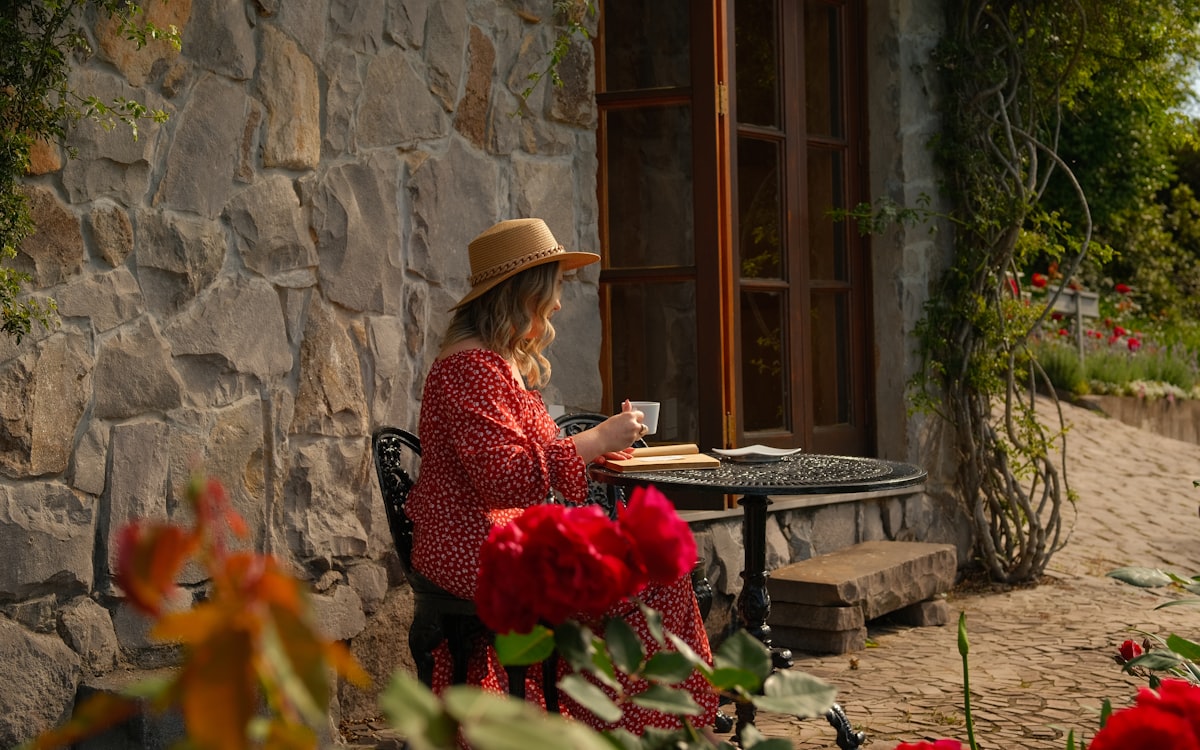
I have a theory about screen time advice: most of it fails because it focuses on what to stop doing instead of what to start doing. "Don't check your phone" isn't a plan, it's a void. Voids get filled, usually with the exact thing you were avoiding.
What worked for me was building weekend habits that are genuinely more enjoyable than scrolling. Not productive habits. Not self-improvement habits. Fun ones.
Key Takeaways
- Replacement beats restriction. A habit that fills the same slot survives; a rule that leaves a gap doesn't.
- Walking improved performance on creative thinking tasks by around 60% in a Stanford study, indoors on a treadmill as much as outdoors.
- Twenty minutes in a green space was enough to significantly lower stress hormone levels in one field study.
- The strongest candidates occupy your hands. It's hard to scroll while holding a saw or kneading dough.
- None of these require an app, a subscription, or tracking anything.
Why "Just Use Your Phone Less" Fails
Every failed attempt I made had the same structure: a rule about what not to do, and nothing scheduled in its place.
The weekend is where this matters most, because that's where the unstructured hours live. Weekday scrolling is squeezed into gaps between obligations. Weekend scrolling expands to fill whatever you haven't planned, which is why two hours can disappear before you've decided how to spend the morning.
So the fix isn't discipline. It's having something already in the slot.
1. Saturday Morning Walks With No Headphones
I started this by accident. One Saturday I forgot my earbuds and walked anyway.
I expected boredom. It felt oddly luxurious. I could hear the neighborhood: kids, dogs, wind, people talking on porches. I noticed things I'd walked past hundreds of times with music in my ears.
Now it's a ritual. Every Saturday, before I look at my phone, I walk 30 minutes with nothing in my ears. My brain uses the time to process the week, and thoughts surface that never had room on a weekday. Some of my best thinking happens here.
The research is unusually good on this one. A Stanford study by Marily Oppezzo and Daniel Schwartz found walking boosted output on divergent-thinking tasks by around 60%, and got the same result on an indoor treadmill facing a blank wall as outdoors. That's a useful detail: the effect came from walking, not scenery, so you don't need a nice route to benefit.
Separately, research led by MaryCarol Hunter found that about twenty minutes in a natural setting was enough to produce a significant drop in stress hormone levels.
The headphone-free part is my own addition and the part I'd defend hardest. A walk with a podcast is a good walk. It just isn't a quiet one, and quiet is the ingredient that's actually scarce.
2. Cooking Something Complicated on Sunday
I used to order food on weekends and scroll while waiting. Now I cook something that takes real time and attention. Homemade pasta. A Korean stew with about 15 ingredients. Bread from scratch.
The operative word is complicated. It needs to demand enough focus that the phone isn't an option. Your hands are busy, your brain is engaged, and two hours pass without a screen entering the picture. You also get dinner.
I'm not a good cook and some of it is mediocre. The process is the point: chopping, stirring, smelling, tasting. It engages your senses in a way a screen structurally cannot.
One practical note. Pick recipes with active steps rather than long unattended simmers, because a 40-minute wait is exactly where the phone comes back out.
3. Reading at a Coffee Shop
Reading in public is stickier than reading at home. At home the phone is right there, the laptop is right there, the TV is right there. At a café I bring a book and my wallet.
I order a coffee, find a seat, and read for an hour. Sometimes two. There's a corner seat at my local place I now think of as mine.
The trick is leaving the phone in the car or at home. If it's in your pocket you'll check it. If it isn't there, you stop thinking about it after roughly ten minutes.
If sustained reading is hard right now, that's an expected starting point, and rebuilding it deliberately works better than hoping a café fixes it.
4. A Hobby That Uses Your Hands
I picked up woodworking. A friend does pottery. Another got into gardening.
The specific hobby doesn't matter. What matters is that it's physical, occupies your hands, and produces something tangible. After years of consuming digital content that evaporates the moment you scroll past it, making a thing you can touch feels almost radical. It's also physically impossible to scroll with clay on your hands.
Don't overthink it. You don't need to be good and you don't need expensive equipment. The bar is only that it beats scrolling, which is not a high bar.
5. Evening Games With People
Board games, card games, trivia at a bar. Anything social without screens.
My wife and I started playing a card game after our daughter goes to bed on Fridays. Sometimes friends come over for board games on Saturdays.
This replaced our old habit of sitting at opposite ends of the couch on separate phones. We didn't plan it as a screen time intervention. We just wanted something to do together, and the reduction came free. That pattern shows up in the research on phone presence during time together, which is covered in how phones erode close relationships.
How to Actually Start
Adding five habits at once is how people end up with none. What worked:
- Pick one, ideally the walk, since it costs nothing and needs no equipment.
- Anchor it to a fixed time rather than an intention. "Saturday 9 AM" survives; "on weekends" doesn't.
- Run it for three weekends before adding anything else.
- Judge it by whether you look forward to it, not by your screen time number.
The common thread is that all five replaced scrolling with something better. Not more productive, not more virtuous, just more satisfying. The best strategy for reducing screen time isn't discipline. It's having a life interesting enough that you forget to check.
sources for this page
- Give Your Ideas Some Legs: The Positive Effect of Walking on Creative ThinkingJournal of Experimental Psychology: Learning, Memory, and Cognition · 2014
- Urban Nature Experiences Reduce Stress in the Context of Daily Life Based on Salivary BiomarkersFrontiers in Psychology · 2019