Habits / how-i-reclaimed-my-commute-from-scrolling
How I Reclaimed My Commute From Podcasts and Scrolling
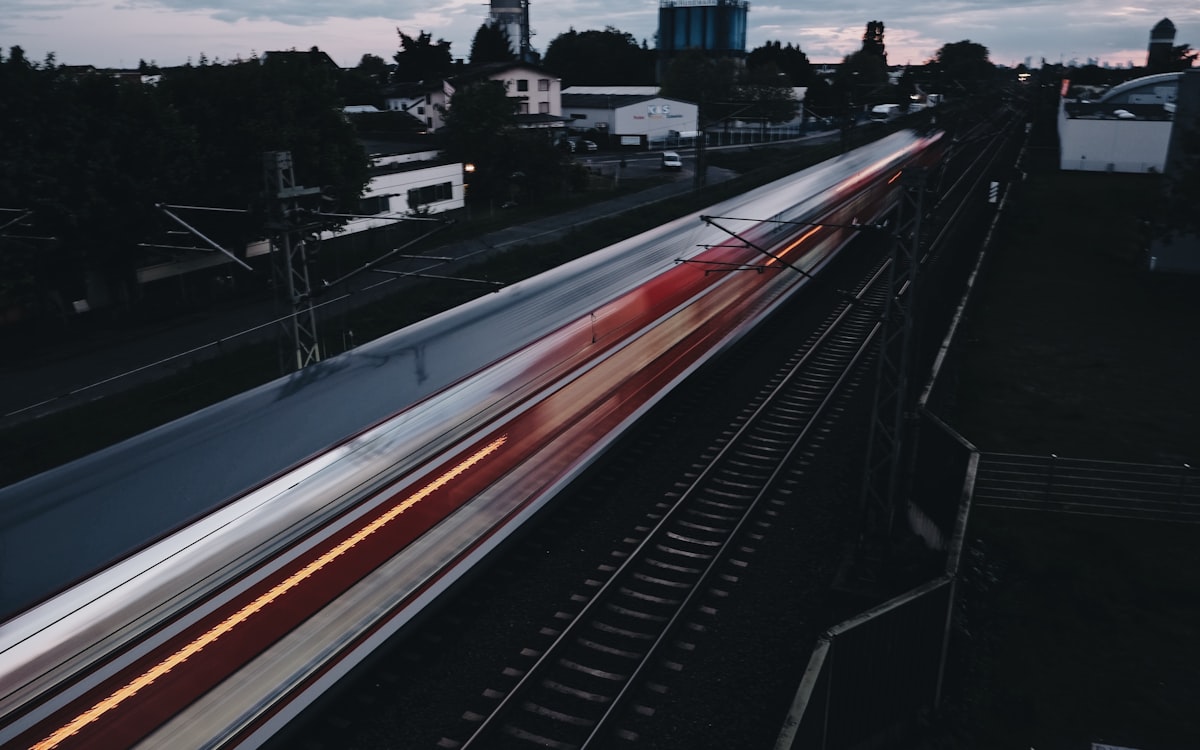
My morning commute is 35 minutes by train. For five years every one of those minutes was filled. Podcast on the walk to the station. Scrolling on the platform. More scrolling on the train. Podcast on the walk to the office.
Not a single second of unoccupied mental space.
Key Takeaways
- I was proud of filling my commute. That was the problem, not the solution.
- Roughly ten minutes of discomfort, then the brain switches from consuming to generating.
- Some silent commutes were anxious rather than creative. Those turned out to be useful too.
- Three months in, silence is the default and audio is a deliberate choice.
- The hardest habit to drop wasn't scrolling. It was podcasts, because they feel productive.
The Productive-Sounding Trap
I told myself I was making good use of my time. Staying informed. Learning something every day.
What I was actually doing was keeping my brain so full of input that it never had a chance to process anything.
This is worth separating from ordinary phone criticism, because it's the version that hides. Nobody defends doomscrolling. Plenty of people defend a commute filled with educational podcasts, and I was one of them for five years. The input is better quality. The gap is still filled.
The Accident
My earbuds died on a Monday and I'd left my charger at work, so my phone was at 4%.
I had no choice but to walk to the station, wait, ride 35 minutes, and walk to the office in silence.
The first ten minutes were genuinely uncomfortable. My brain was demanding input. I felt anxious and restless, like I was wasting time. I kept patting my pocket.
Then around minute 15 something shifted. Deprived of external input, my brain started producing its own. A work problem I'd been stuck on resolved itself into an approach I hadn't considered. I remembered I needed to call my brother for his birthday. I noticed the architecture of a building I walk past daily and had never actually looked at.
By the time I reached the office I'd mentally drafted an email I'd been avoiding, worked through a disagreement with a coworker, and had an idea I pitched to my boss that afternoon.
A Full Week of Silence
No podcasts, no music, no phone, no book.
Monday through Wednesday were mixed. Some commutes were creative. Others were anxious, where I'd ruminate or replay conversations.
I'd expected to report the anxious ones as failures. They weren't. I was processing things I'd been suppressing by keeping myself permanently occupied, and that's not a pleasant experience but it isn't wasted either. Anyone trying this should expect it, because a bad third day is where most people put the earbuds back in.
By Thursday and Friday my brain settled into a rhythm. The commute became genuinely enjoyable. It was the only stretch of the day when nobody wanted anything from me and I had no input to process.
What the Evidence Says, With Caveats
There's research pointing this direction, and it's less conclusive than commuting-blog wisdom suggests.
Mann and Cadman at the University of Central Lancashire found participants given a deliberately dull task first produced more creative ideas afterwards than a control group.
But a scoping review of boredom and creativity research found studies pointing both ways, with some showing state boredom associated with worse divergent thinking. The "boredom makes you creative" claim is not settled.
There's better support for the walking part. A Stanford study found walking increased performance on divergent-thinking tasks by around 60%, on an indoor treadmill as much as outdoors.
So the defensible version of my experience: walking helps creative thinking, and unfilled attention gives whatever surfaces somewhere to land. That's more modest than "boredom unlocks genius," and it's what I'd actually claim.
Three Months In
- I arrive at work calmer and more focused.
- I'm more emotionally level, because I'm processing things rather than burying them under audio.
- I remember my commute: the weather, the people, how the light changes across the year.
I still listen to podcasts and music sometimes. It's a choice now instead of a default. Some mornings I want input. Most mornings I want space.
Try One
One commute. No earbuds, no phone.
The first ten minutes will be uncomfortable, and knowing that in advance is most of what you need. If you want the longer argument for why the empty gaps matter, it's in the art of being bored.
sources for this page
- Does Being Bored Make Us More Creative?Creativity Research Journal · 2014
- The association between boredom and creativity in educational contexts: A scoping review on research approaches and empirical findingsReview of Education · 2024 · found studies pointing both ways — some showed state boredom associated with worse divergent thinking, not better
- Give Your Ideas Some Legs: The Positive Effect of Walking on Creative ThinkingJournal of Experimental Psychology: Learning, Memory, and Cognition · 2014