How-To / notification-detox-147-alerts-to-zero
Notification Detox: How I Went From 147 Daily Alerts to Zero
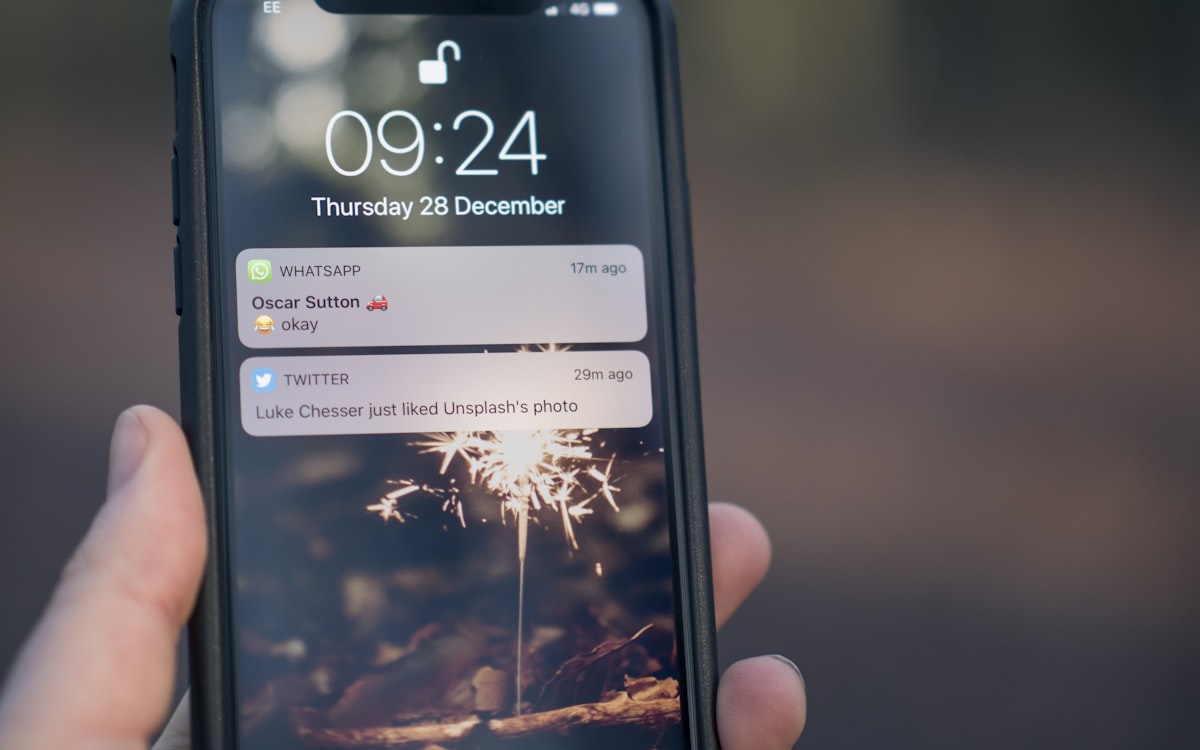
I counted my notifications one day. From waking to bed, my phone buzzed, dinged, or flashed 147 times.
That's roughly one every six minutes of waking hours, each one pulling my attention off whatever I was doing.
Key Takeaways
- Pickups fell from about 85 a day to about 25, and total screen time dropped roughly 40%.
- My longest focused stretch went from about 8 minutes to 45 or more.
- Research suggests going to literal zero is the wrong target. Batching beat both constant alerts and total silence.
- Email was the biggest surprise: three checks a day worked better than thirty.
- You can't know what you actually need until you've lived a week without any of it.
Why 147 Is Worse Than It Sounds
147 is high but not extreme. Research measuring notifications in the field found an average of 63.5 a day, with young adults typically in the 60 to 80 range and heavy users well past 200.
The cost isn't the seconds spent glancing. Gloria Mark's work at UC Irvine produced the widely quoted figure that returning to a task after an interruption takes about 23 minutes on average. That number gets misused constantly, so to be precise: it's an average across many interruptions, not a fixed toll you pay per notification. You are not losing 23 minutes 147 times a day, which would exceed the length of a day.
The accurate framing is simpler. If interruptions arrive every six minutes and re-entry into deep focus takes meaningfully longer than six minutes, you never get there at all. You spend the day in shallow mode by construction.
How I Did It
Step 1: Turn off literally everything
Not most apps. Not non-essential apps. Every app, including text messages and email.
This matters because selective pruning fails. If you go app by app deciding what's important, you'll keep about thirty things, because in the moment each one seems reasonable. Zeroing out first forces every notification to re-earn its place.
Step 2: Live with silence for a week
You don't know what you actually need until you go without it. A week is enough to find out and short enough that nothing important breaks.
Step 3: Add back only what proved necessary
What made the cut for me:
- Phone calls from saved contacts only, not unknown numbers.
- Texts from my wife and kids, via a Focus mode filtering everyone else.
- Calendar alerts for meetings, set to five minutes before.
Three sources. Everything else, including email, Slack, news, social media, weather, shopping, banking, fitness, and app updates, went fully silent. No banners, no badges, no sounds. To check any of it I had to decide to open the app.
Where My Original Approach Was Wrong
The title of this piece says zero, and for a week it genuinely was zero. Having since read the research, I'd tell you not to stay there.
A study on notification batching compared normal notifications, batched delivery three times a day, and notifications switched off entirely. Batching won: participants reported feeling more attentive, more productive, in better moods, and more in control of their phones.
Switching notifications off completely produced higher anxiety and more fear of missing out than batching did. People weren't calmer in total silence. They were uneasy, because they'd traded interruption for uncertainty.
That matches my week five feeling exactly, and I'd assumed it was a personal failing rather than a documented effect. If total silence makes you jumpy, you're not weak-willed, you're having the response the study predicted. Use scheduled batching instead: iOS calls it Scheduled Summary, and Android offers similar options in most launchers.
What the First Week Felt Like
Hard. I kept thinking I was missing things. I'd unlock my phone to a blank lock screen and feel a strange emptiness.
My brain had grown attached to the little red dots telling me someone wanted something.
By day five the effects showed up. I could focus for 30 to 40 minutes uninterrupted, against a previous maximum around 8. I read entire documents without stopping. I had conversations without glancing down. My stress dropped, not because anything in my life changed, but because I wasn't being poked constantly.
The Email Surprise
I'd always treated email as urgent, checking 20 to 30 times a day.
Without notifications I settled naturally into three: morning, after lunch, before leaving.
Nothing broke. Nobody complained. Almost no email needs a response within hours, let alone minutes.
Slack behaved the same way. I moved from constant monitoring to scheduled blocks, and the quality of my replies went up, because I was reading messages in batches and responding deliberately rather than reacting one at a time.
The Numbers After a Month
- Phone pickups: about 85 a day down to about 25.
- Total screen time: down roughly 40%.
- Longest focus block: 8 minutes up to 45 or more.
- Finished a project that had been stalled for two months.
- Better sleep, since nothing woke me at night.
The Uncomfortable Part
Most notifications don't serve you. They serve the app.
Every buzz is a product saying pay attention to me. They manufacture urgency where none exists and make routine events feel like something is happening, when it's another like, another newsletter, another weather update.
You can turn them all off. The world keeps going, people find you when it matters, and you get your attention back. Just don't stop at zero. Zero is a diagnostic week, not a destination, and the research is fairly clear that a scheduled trickle beats both the flood and the drought.
For the exact settings, see the iPhone setup guide or the Android version.
sources for this page
- An in-situ study of mobile phone notificationsProceedings of the 16th International Conference on Human-Computer Interaction with Mobile Devices & Services (MobileHCI '14) · 2014
- The Cost of Interrupted Work: More Speed and StressProceedings of the SIGCHI Conference on Human Factors in Computing Systems (CHI '08) · 2008 · an average across many interruptions, not a fixed toll paid per notification
- Batching smartphone notifications can improve well-beingComputers in Human Behavior · 2019